



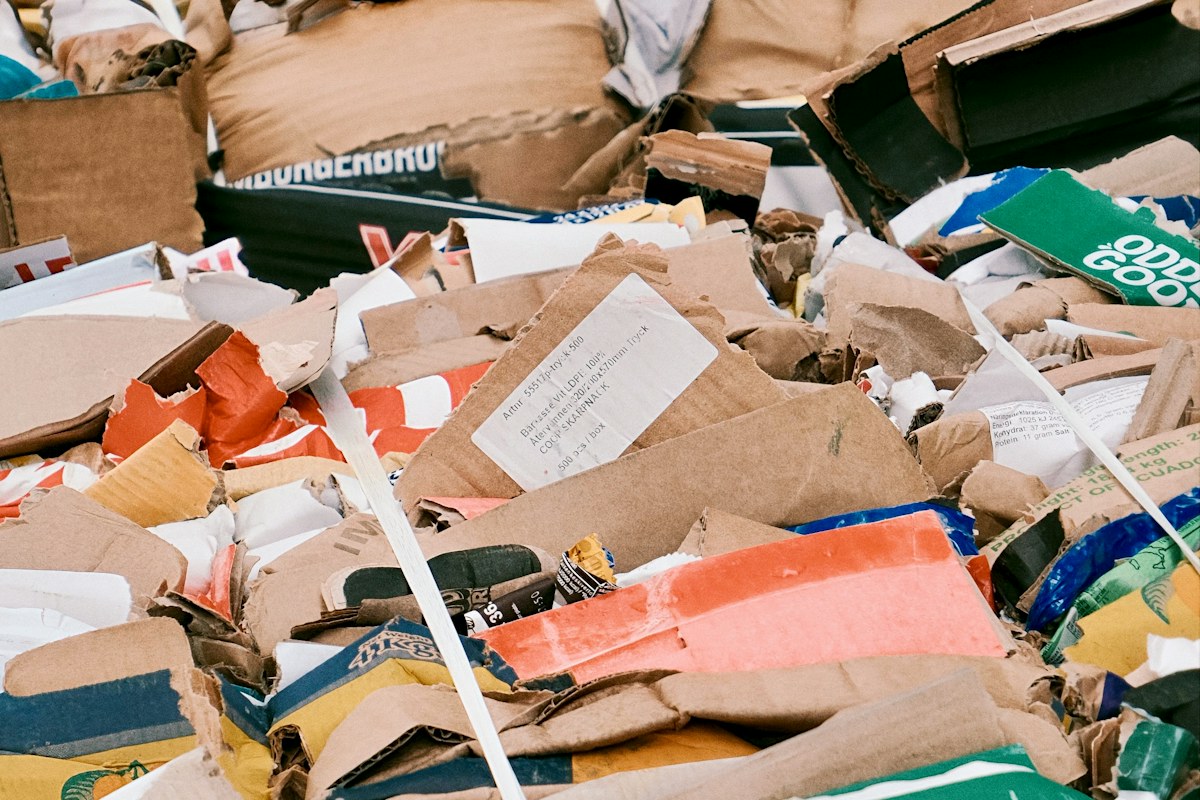
From August 12, 2026, the EU Packaging and Packaging Waste Regulation (PPWR, Regulation (EU) 2025/40) will begin to apply generally across the European Union.
The PPWR applies to packaging and packaging waste placed on the EU market and introduces a harmonized framework covering the entire packaging lifecycle, including:
- product and packaging design;
- packaging composition;
- recyclability;
- labeling; and
- producer responsibility.
Korean exporters therefore need to review not only whether their products themselves satisfy EU certification or quality requirements, but also whether the packaging placed on the EU market complies with the PPWR.
Why the PPWR Matters
Under the previous Packaging and Packaging Waste Directive (PPWD), implementation depended largely on national legislation in each Member State, which led to differences between countries.
The PPWR, by contrast, is an EU Regulation, meaning that it applies directly across the EU without requiring separate national implementing legislation.
Accordingly, even if a Korean company exports only to Germany, France, or Italy, it will increasingly need to manage packaging under a single EU-wide regulatory framework.
For products scheduled to clear EU customs or enter distribution channels after August 12, 2026, it is prudent to review packaging compliance in advance.
Start by Reclassifying What Counts as Packaging
The first step in PPWR compliance is to determine which components of the company’s products qualify as packaging.
The PPWR is not limited to retail packaging.
Depending on the product and sales method, packaging may include:
- grouped packaging;
- transport packaging;
- labels;
- stickers;
- sleeves;
- dust bags;
- delivery pouches; and
- clothing hangers supplied together with garments.
Accordingly, classification should not be based solely on HS codes or accounting categories.
Each component should be reviewed according to its function, sales method, and packaging purpose.
Key Requirements to Review from August 2026
From August 12, 2026, requirements relating to areas such as restricted substances, conformity documentation, and producer obligations may become increasingly relevant.
Packaging and packaging components may be subject to restrictions on the four major heavy metals:
- lead;
- cadmium;
- mercury; and
- hexavalent chromium.
For food-contact packaging, PFAS-related restrictions should also be reviewed.
Particular care is required for packaging systems involving:
- coatings;
- inks;
- adhesives; and
- varnishes.
In practice, a simple supplier declaration may not always be sufficient.
Companies may need to obtain test reports from accredited testing laboratories covering the packaging system as a whole.
Conformity Documentation and Technical Records Should Be Prepared
The PPWR imposes different obligations on economic operators such as:
- manufacturers;
- importers; and
- distributors.
Where a Korean company supplies products to an EU importer, the importer may need to respond to requests from market surveillance authorities.
The Korean exporter may therefore need to provide supporting packaging documentation.
Relevant materials may include:
- packaging Bill of Materials (BOM);
- weight of individual packaging components;
- supplier declarations and verification records;
- heavy metal test reports;
- PFAS test reports; and
- other technical compliance documentation.
The supply agreement should also clearly allocate responsibility for:
- providing supporting documents;
- submitting test reports;
- updating compliance records; and
- handling liability in the event of non-compliance.
Producer Registration and EPR Obligations Must Also Be Reviewed
The PPWR imposes obligations on producers that first place packaging or packaged products on the EU market.
However, the specific registration and reporting process must still be reviewed together with the relevant Member State’s Extended Producer Responsibility (EPR) system.
Even within the same EU market, operational requirements may differ between countries such as:
- Germany;
- France; and
- Italy.
Korean exporters should therefore determine whether they qualify as:
- producer;
- manufacturer;
- importer; or
- distributor,
and align contractual obligations with actual regulatory responsibilities.
Companies Should Also Prepare for Stricter Requirements Toward 2030
The PPWR does not end with the general application date in 2026.
Requirements will become progressively stricter over time.
Around 2030, requirements relating to matters such as the following are expected to become increasingly important:
- recyclability performance grades;
- recycled content in plastic packaging;
- limitations on empty space in e-commerce packaging; and
- broader packaging minimization requirements.
Packaging structures such as:
- multilayer films;
- colored PET; and
- composite-material packaging
may receive lower recyclability assessments under future criteria.
Companies planning long-term EU expansion should therefore consider packaging redesign and recyclability from now, rather than waiting until later transition periods.
Pre-Entry Checklist for Korean Exporters
PPWR compliance is not simply a matter of reviewing one environmental regulation.
It requires the company to establish a packaging data and compliance management system for EU exports.
As a practical starting point, Korean exporters should:
1. Reclassify all packaging components under the PPWR
2. Prepare a packaging BOM
3. Obtain heavy metal and PFAS test reports where applicable
4. Organize supplier declarations and technical records
5. Determine the relevant producer / importer / distributor status
6. Review EPR registration obligations by Member State
7. Update supply and import agreements to reflect documentation and liability obligations
8. Consider long-term recyclability and packaging redesign requirements through 2030
Where a company expects products to enter EU customs or distribution channels after August 12, 2026, it is advisable to review both the packaging standards and the contractual structure now rather than after shipment.